
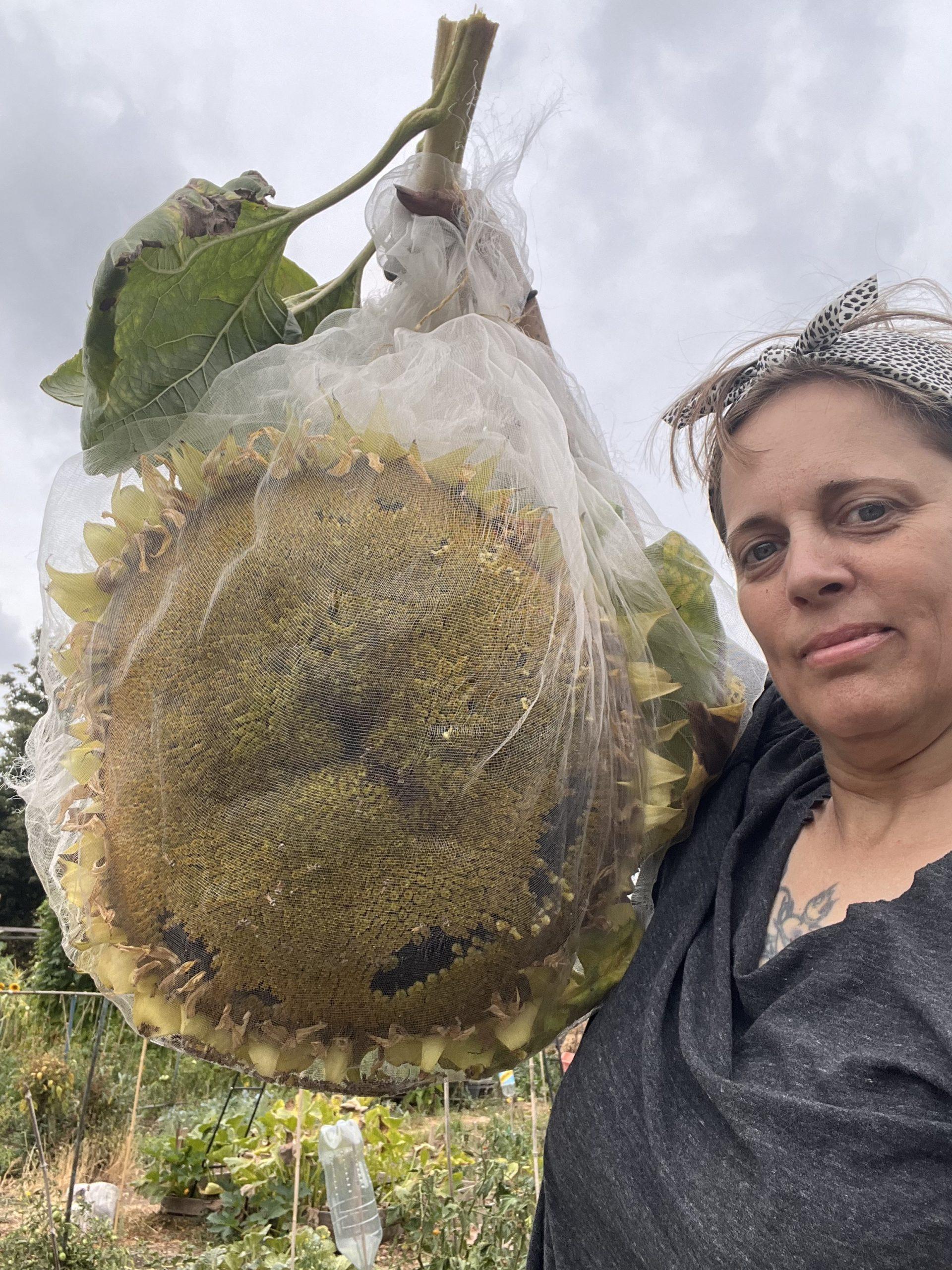
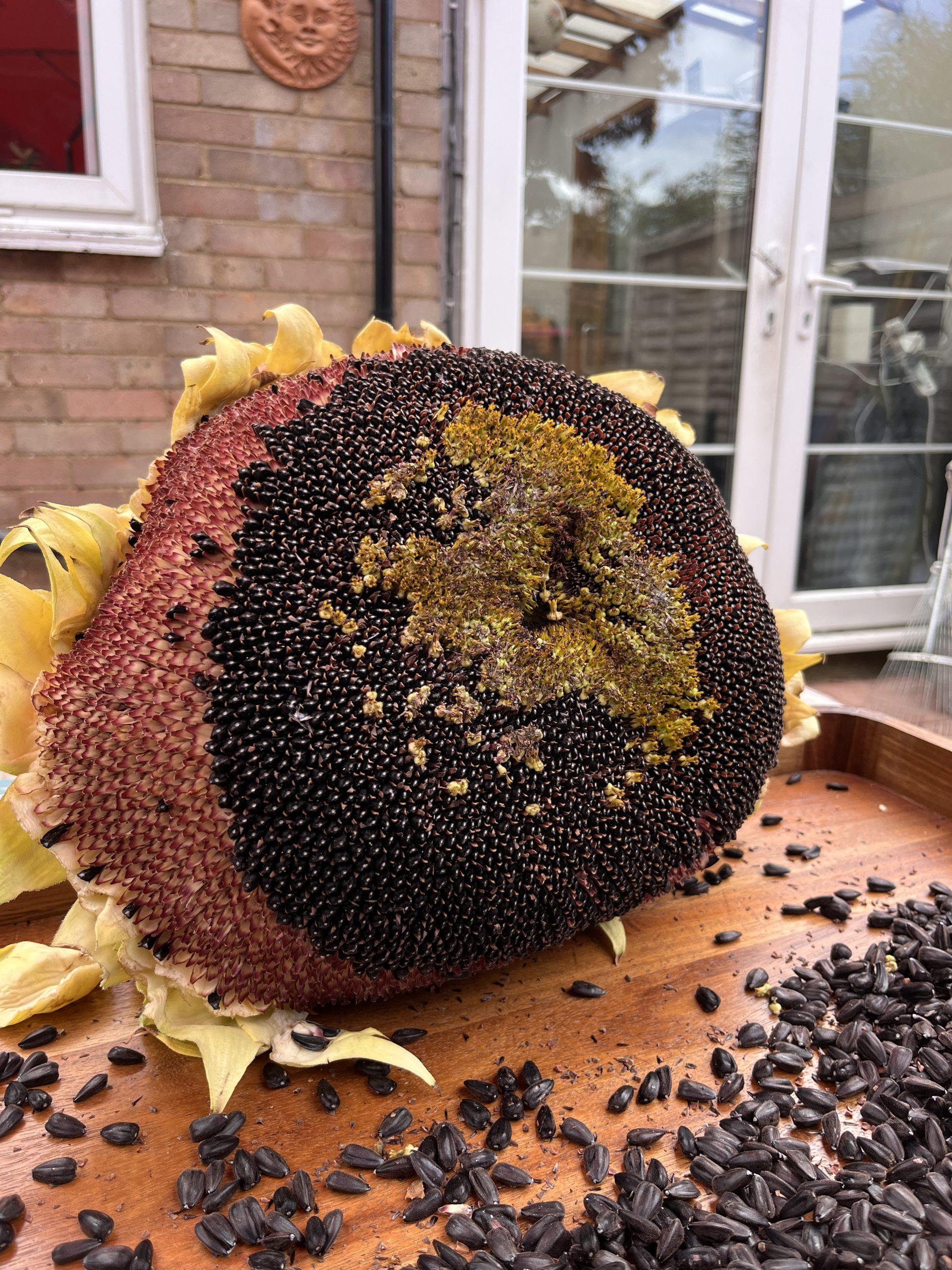
I recently discovered some lovely inks after soaking my sunflower seeds in brine for roasting.
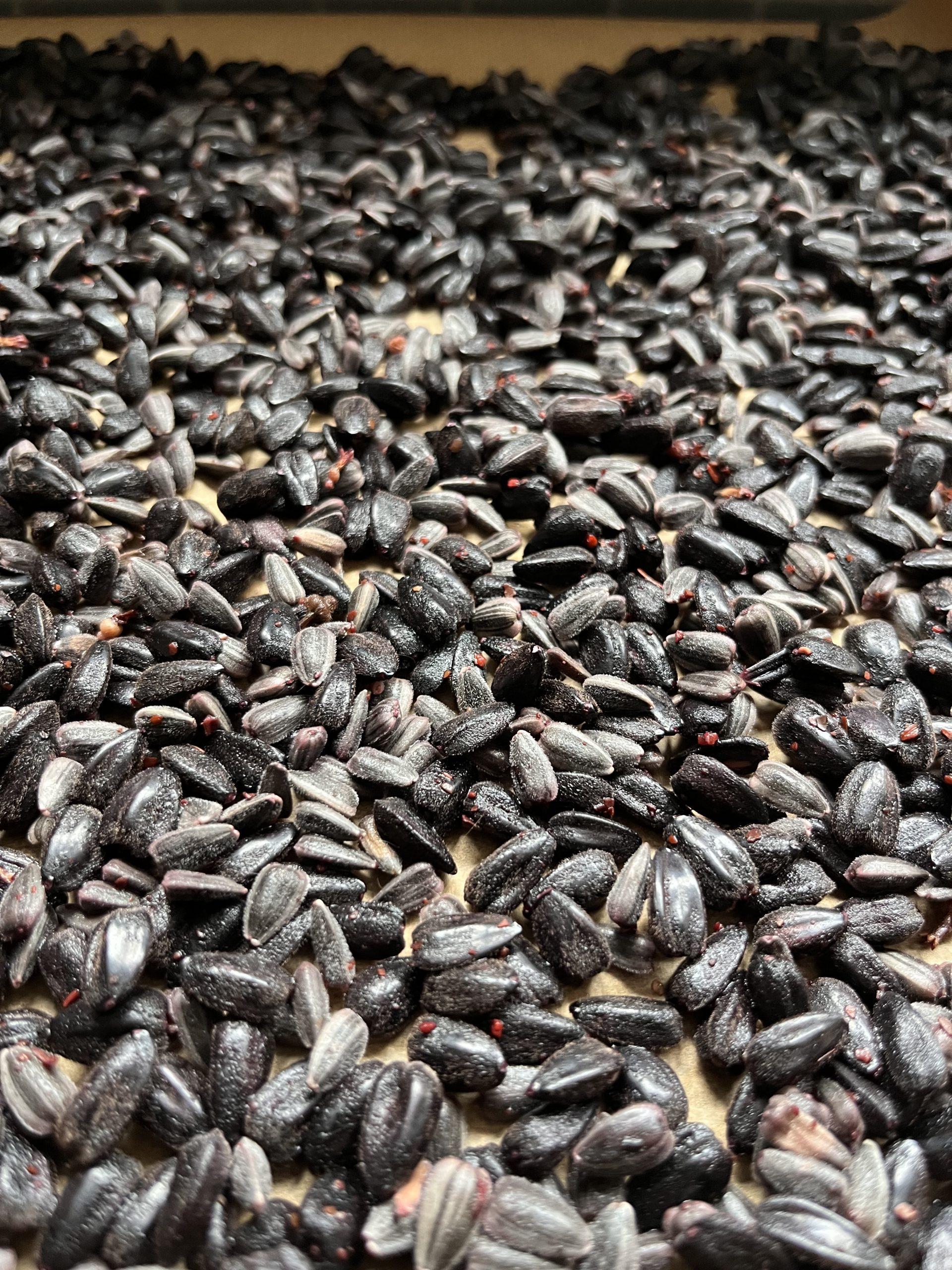
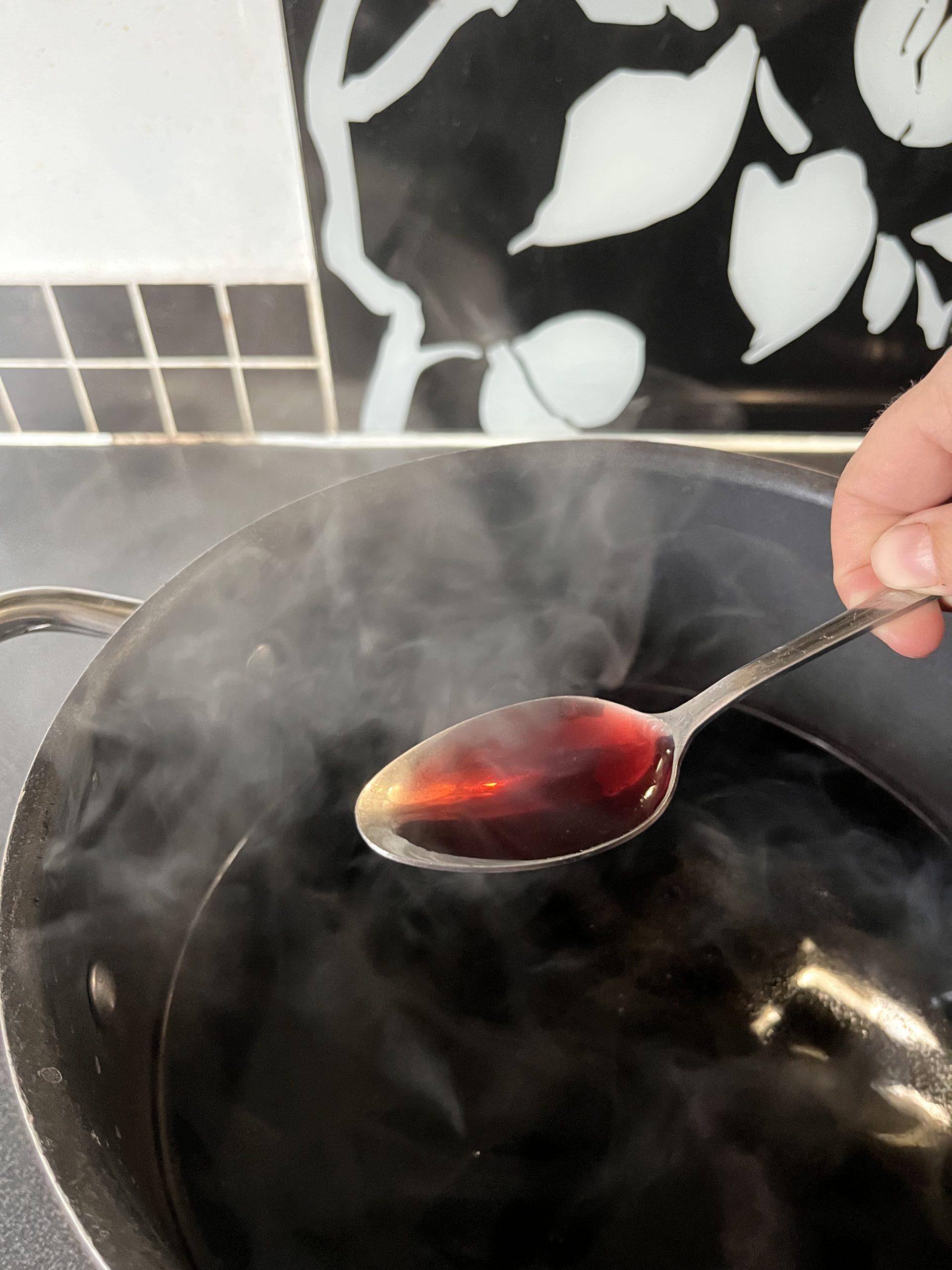
I left them to soak overnight and was pleasantly surprised by their brilliant pink bath. I took this accidental dye bath to the studio to see what other colours I could get. First, I had to dissolve some gum arabic to make it inky.
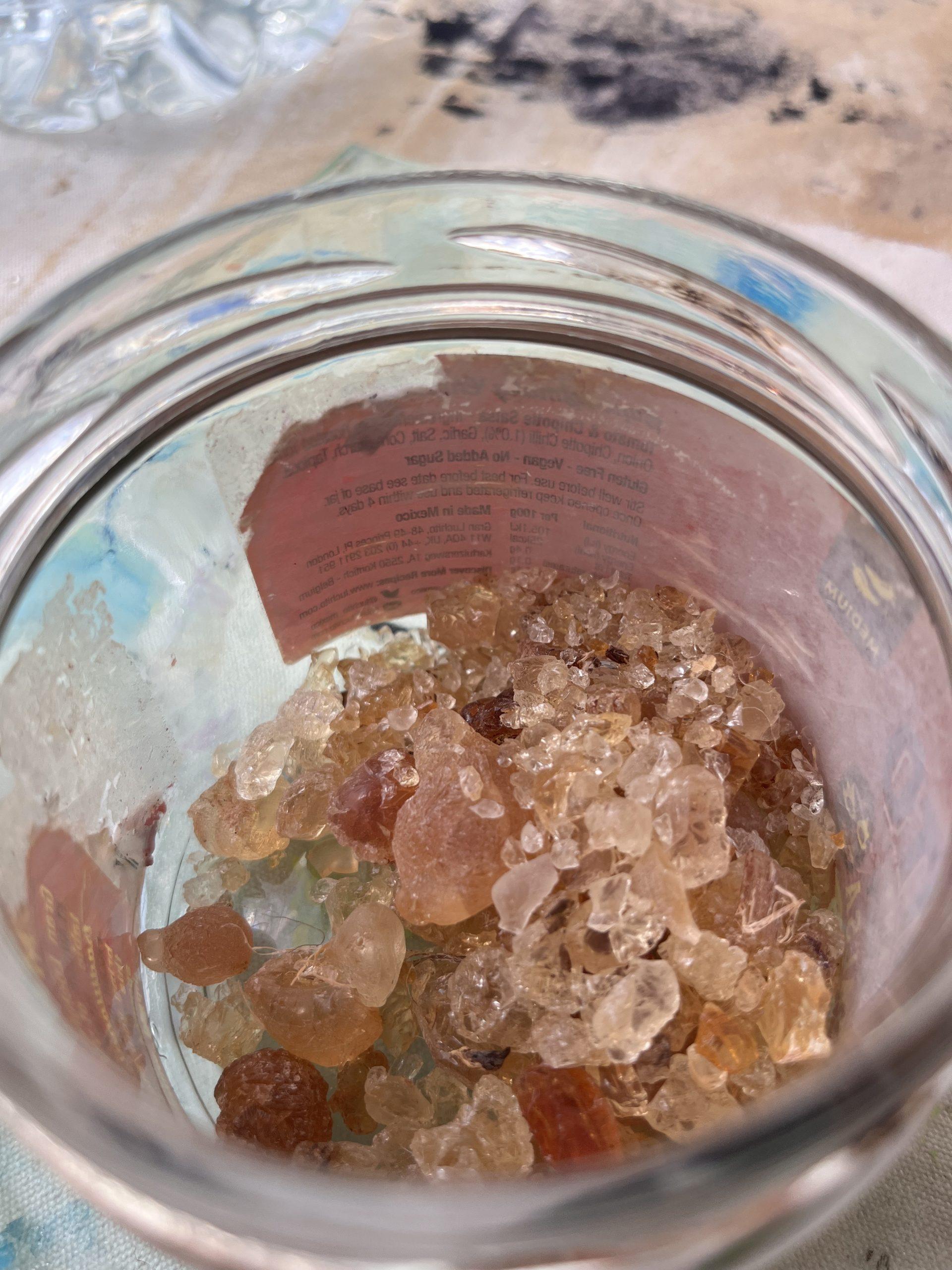
Then I experimented mixing the ink with citric acid, alum, soda ash and iron sulfate. These are the colours I produced.
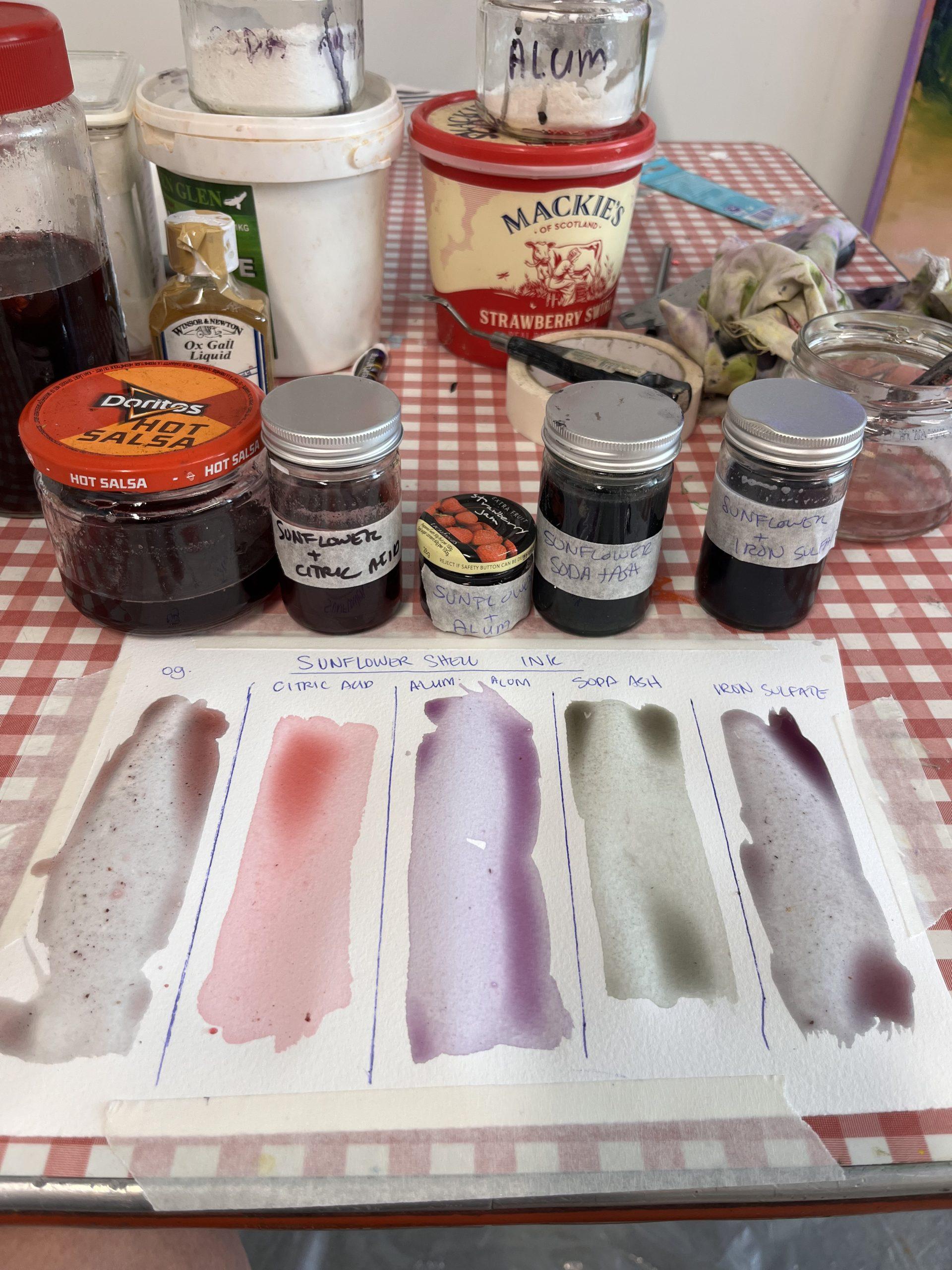
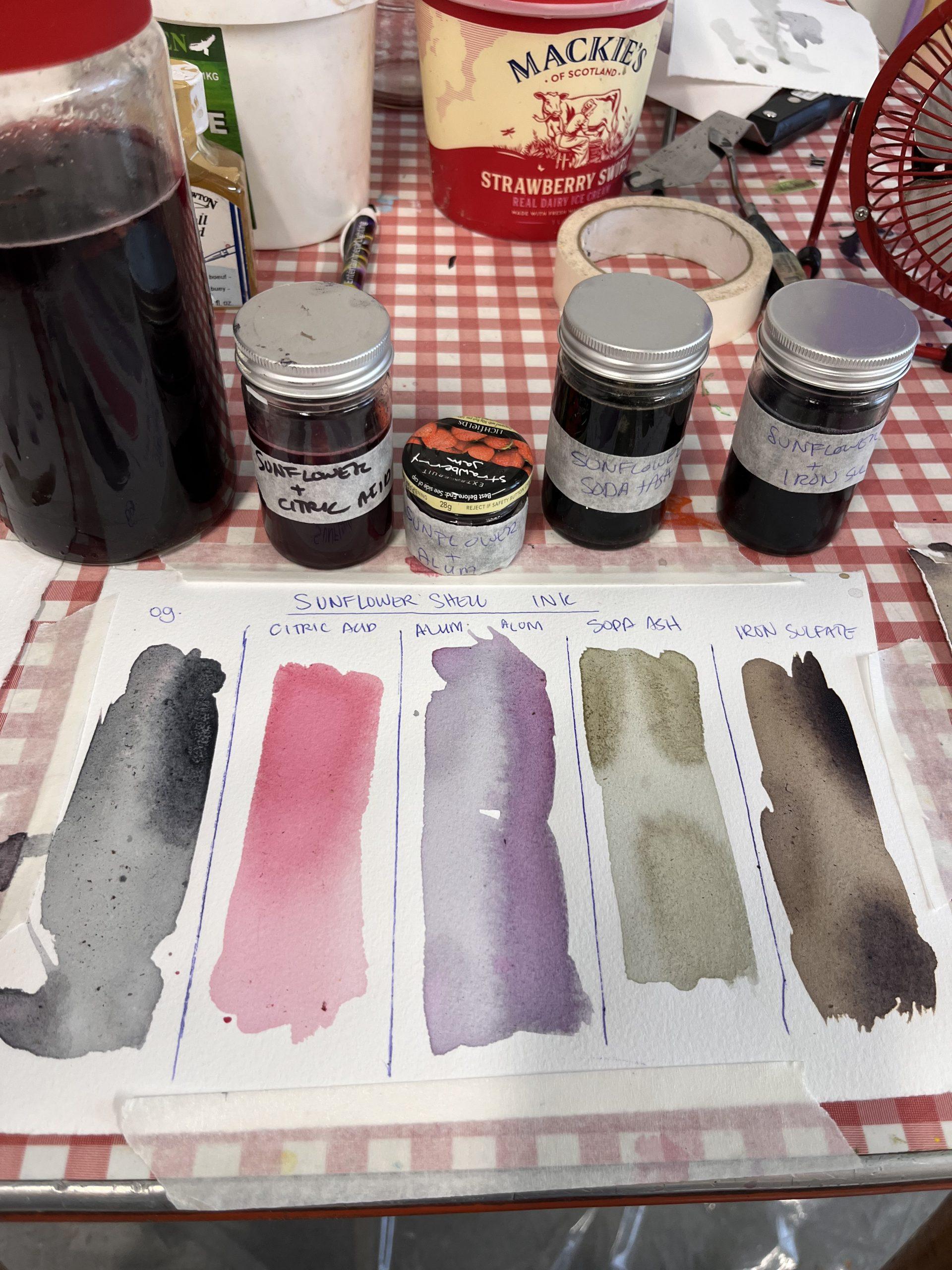
I was quite surprised that the original reddish ink, without any added chemicals dried into a cool black colour. It acted a bit like oak gall ink, which turns to a rich black with oxidation. I learned afterwards that the Native Americans used sunflower seeds to make black dye.
“The Hopi people have traditionally used Hopi Black Dye sunflowers to make a dye for cotton, wool and basketry. Colours derived include maroon-red, deep maroon, dark purple, deep lavender, medium blue and black dye. To yield a black dye for basketry, iron, from piñon gum and yellow ochre, is added to the dye stock. The black seeds and yellow petals can also be dried, and ground into a powder, to which water is added, to form ceremonial body paint for use in ceremonies including women’s basket dances.” https://www.nativeseeds.org/pages/hopi-black-dye-sunflower
I find this really exciting.
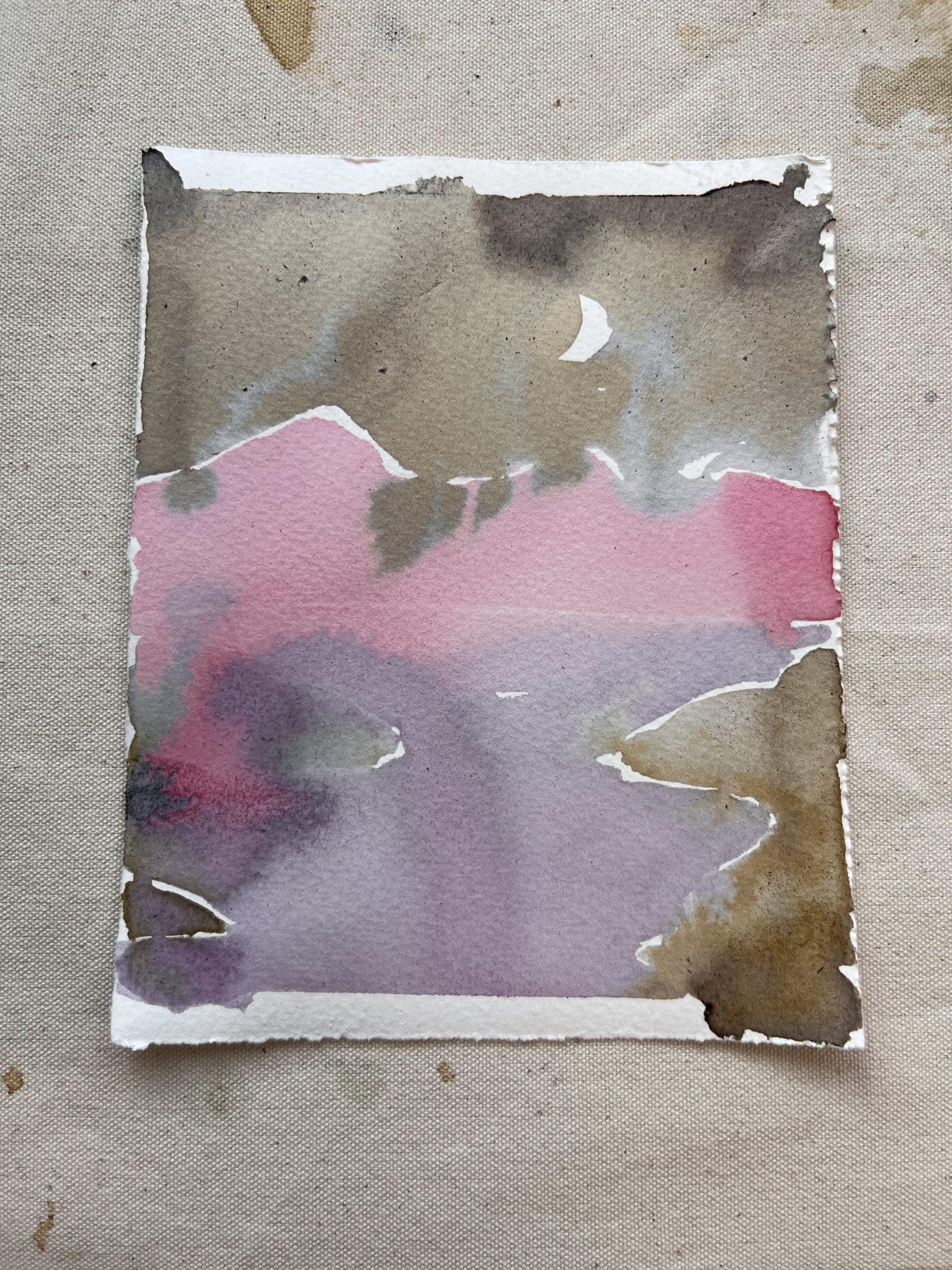
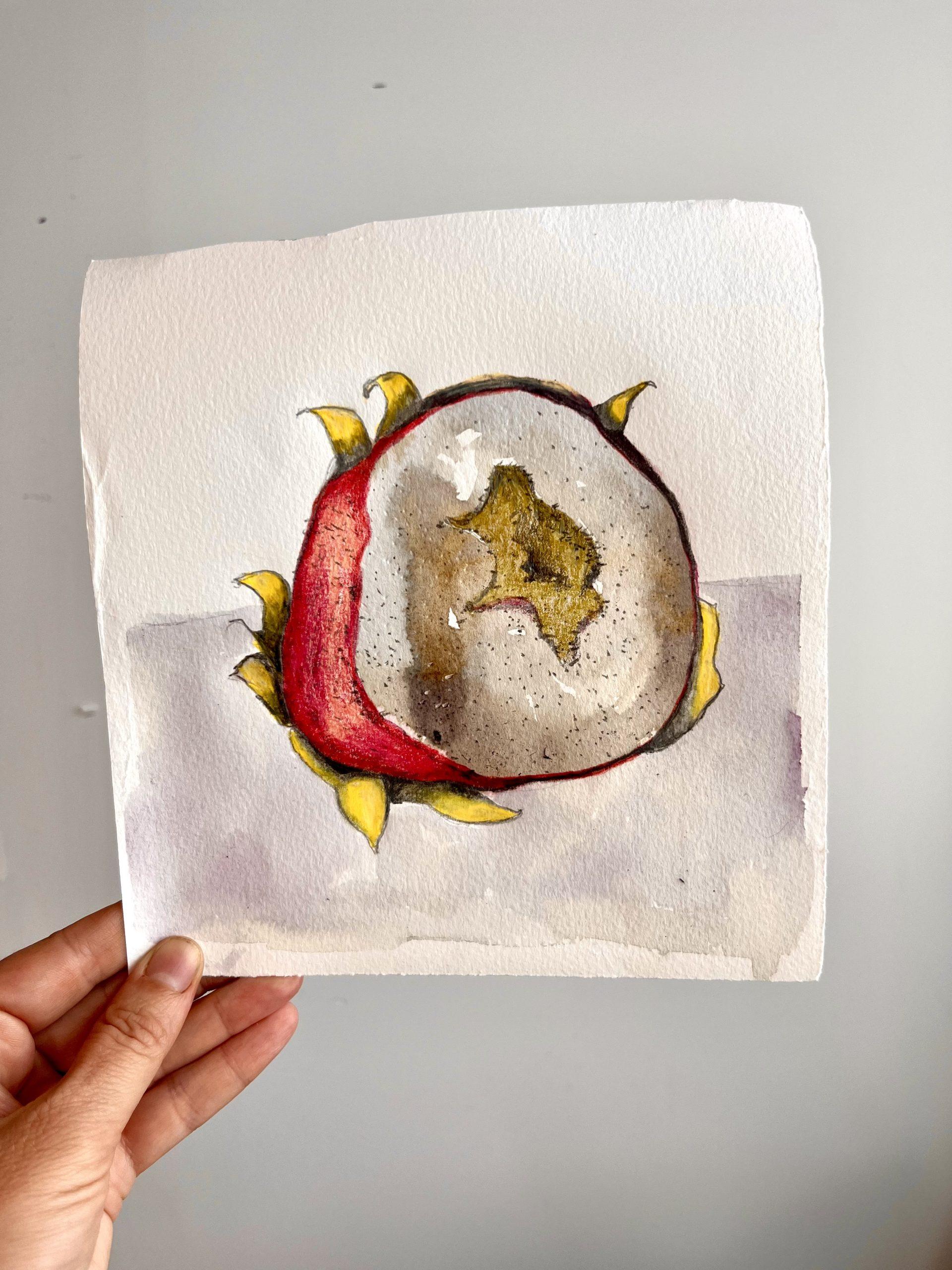
I had a little play with the inks- I love the colours so much.
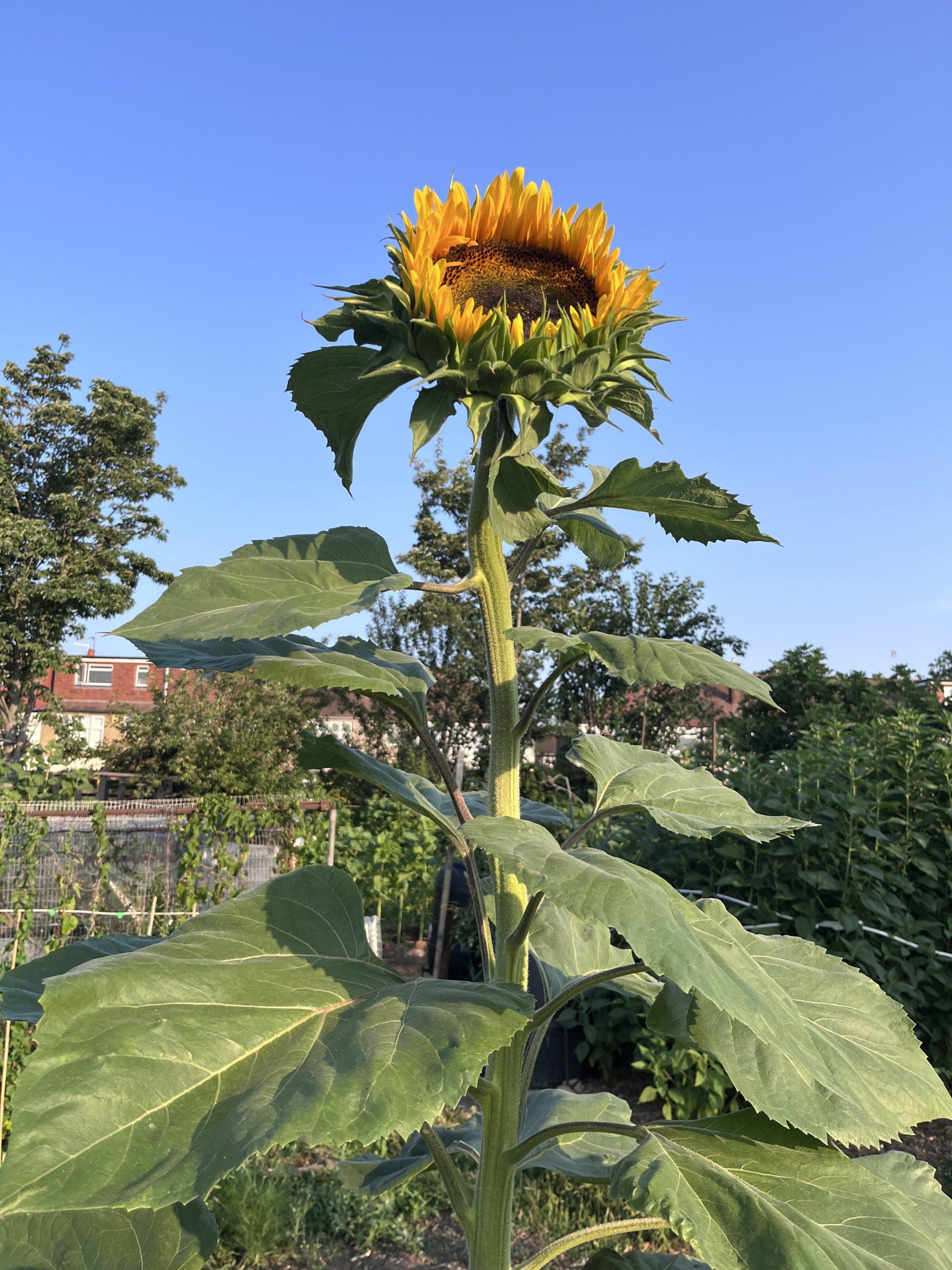
As far as working towards a more regenerative practice, there is some really interesting potential with the sunflower. The sunflower is a hyperaccumulator, able to extract high levels of heavy metals from water and soil through a process called phytoremediation. Fields of sunflowers were planted around Chernobyl after the 1986 nuclear disaster to absorb radioactive metals from contaminated water and soil.
This same plant has the ability to make beautiful dyes, inks and pigments as well as offer us one of nature’s most powerful superfoods. Albeit, we wouldn’t actually want to harvest a sunflower that is storing radioactive waste, but the potentials here are fascinating, and I look forward to more experimentation.