
When I first got my allotment in the spring of 2025, I was overwhelmed with what to do with it all and spent most days clearing bramble, levelling the plot, and battling the abundance of weeds. However, the latter was not without conflict. I struggled with the idea of removing wild plants in order to grow my own plants, but that is kind of the deal with an allotment- maintain it or lose it.
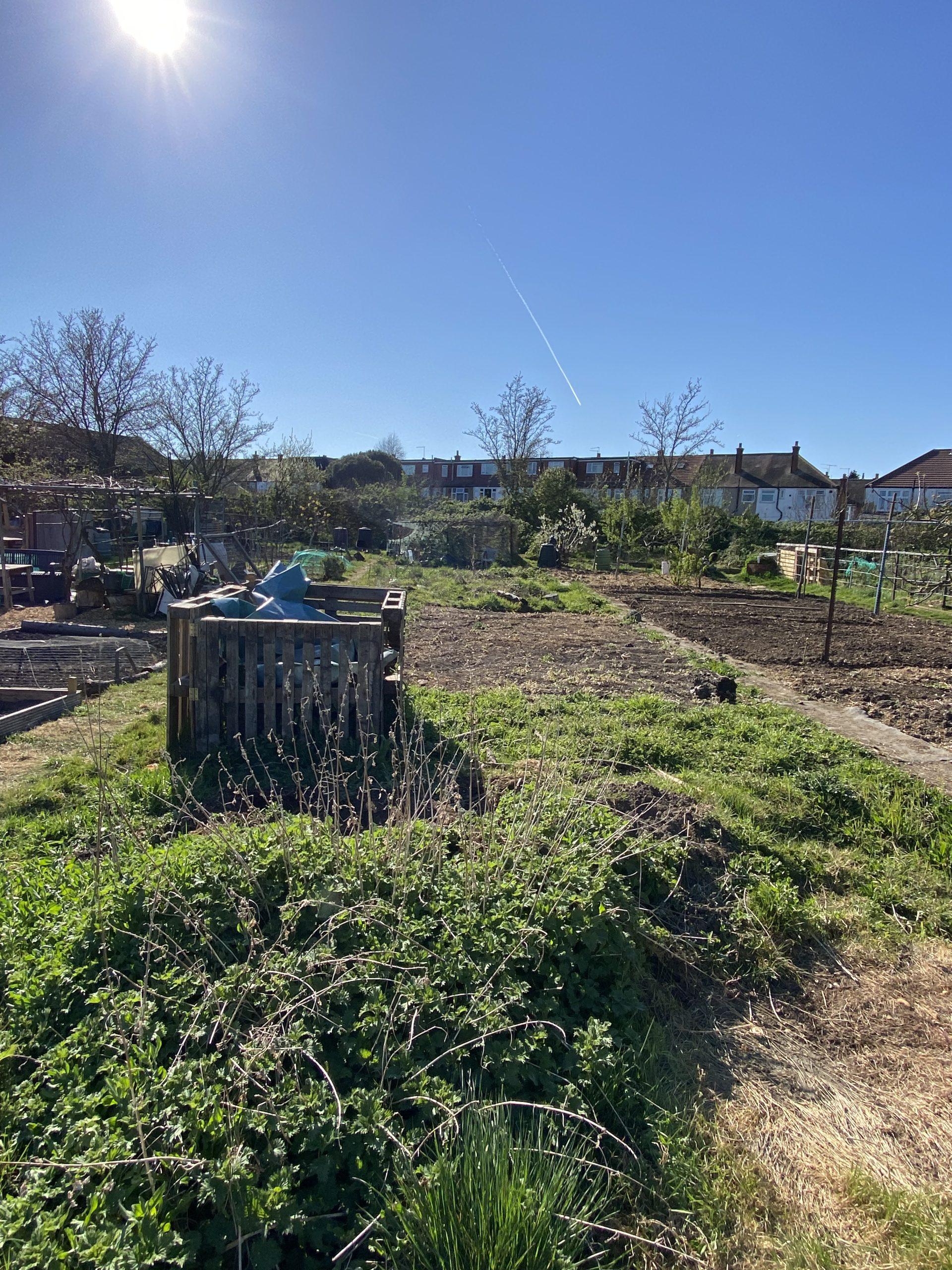
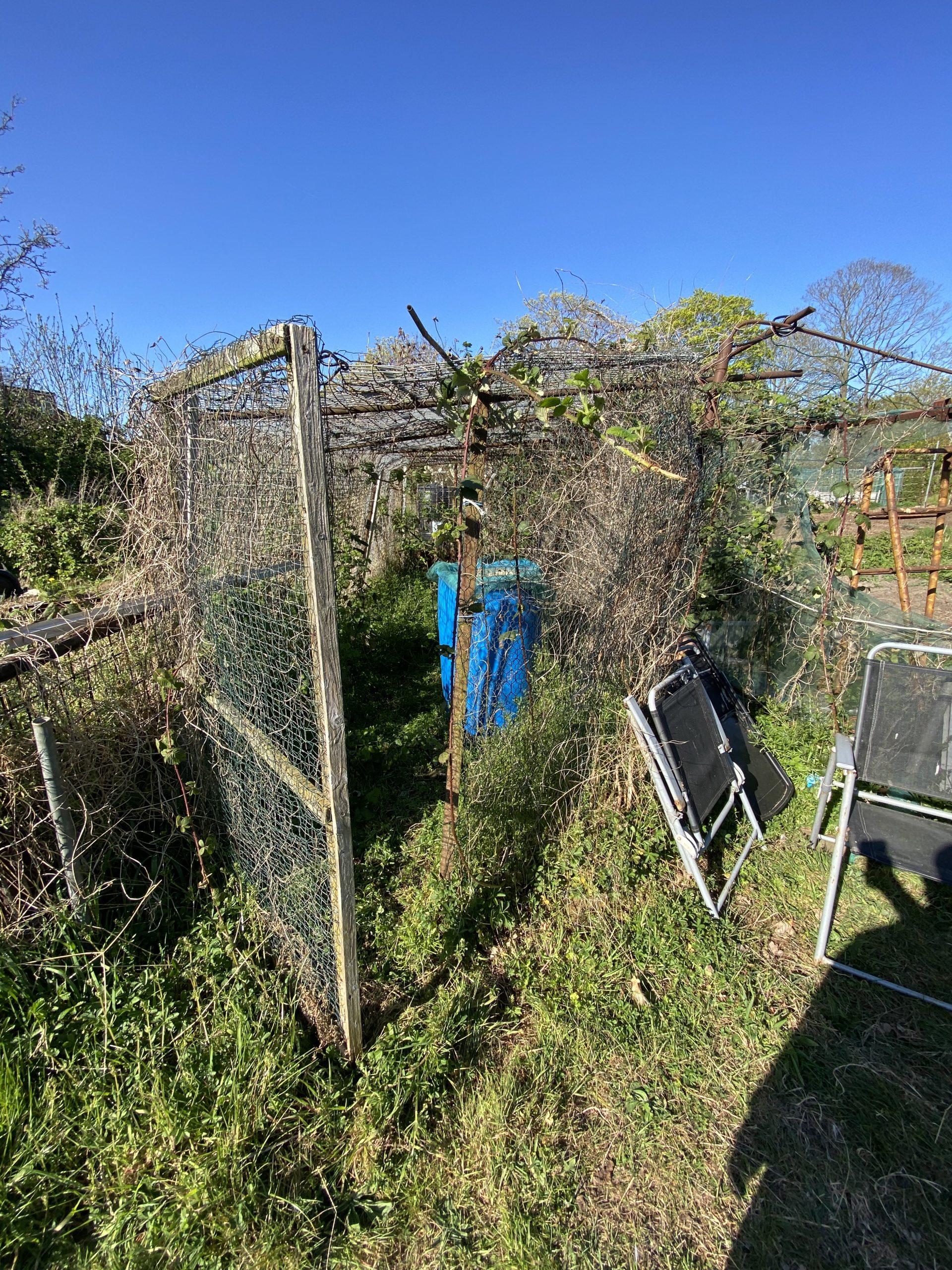
By Summer, I managed to cultivate maybe 25% of the plot, and I turned what was once a ‘berry cage’ into a makeshift polytunnel.
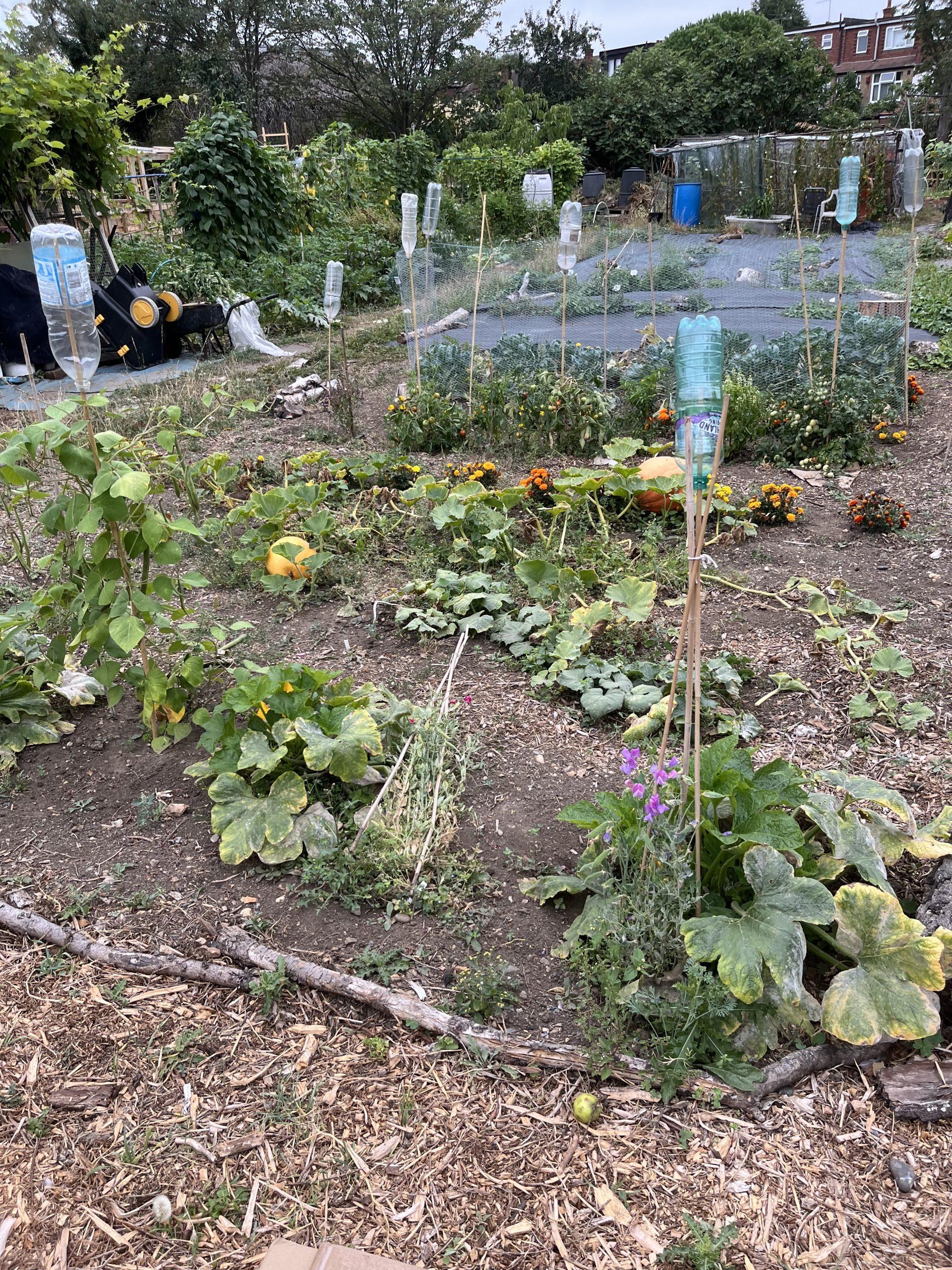
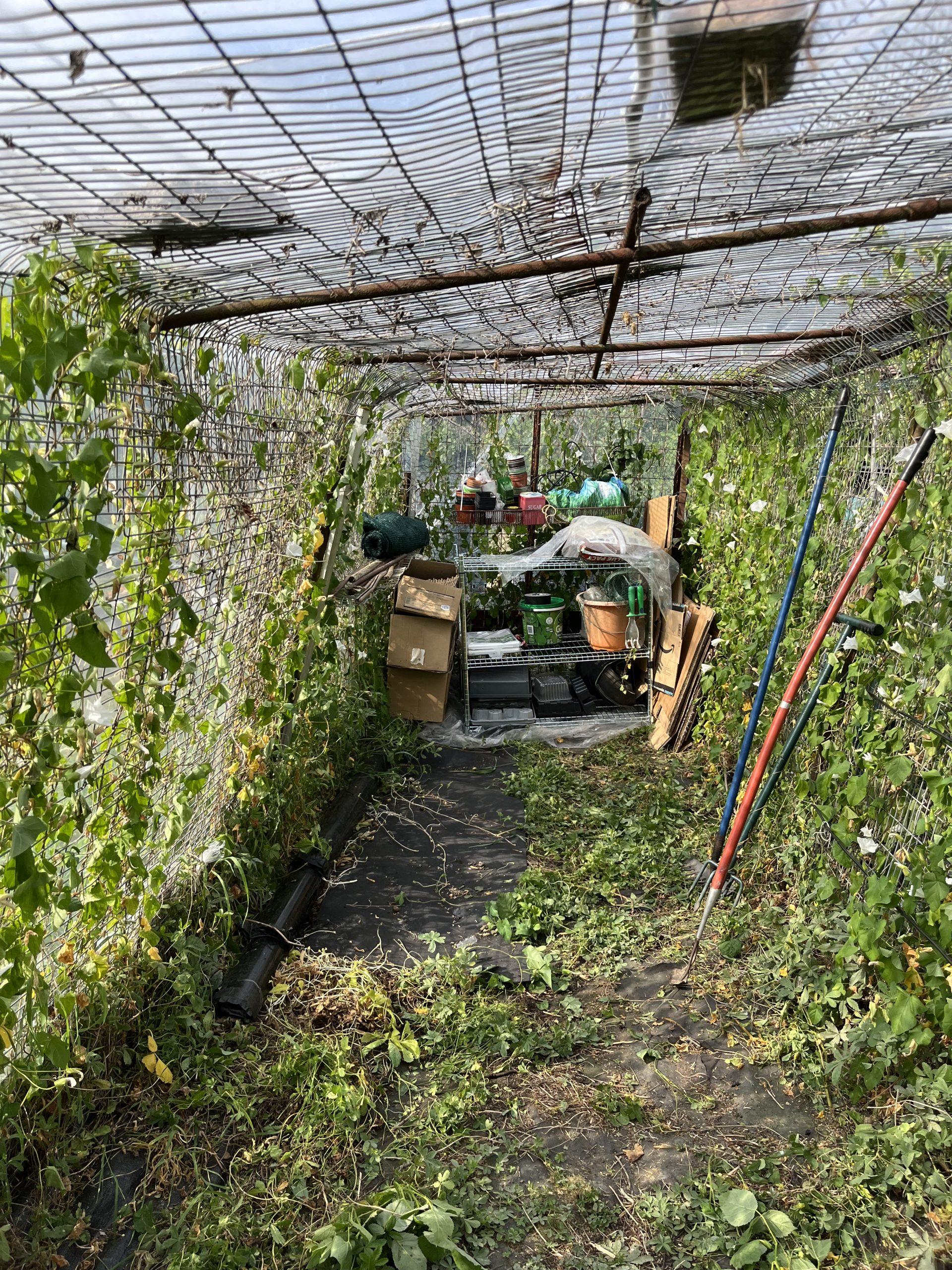
I am now in my second season, I guess you could say, and I have managed to use 75-80% of the plot this time. I’m in less of a battle with ‘weeds’ this Summer, as I have reached a sort of compromise with them. The deal is, they pop up, I take a pic and check if its edible or usable. If so, I may let it grow and will harvest (forage?) the plant or at least make a note about it for the future.
Mostly, I’m just trying to educate myself so that I can start to navigate the allotment in a way that works with wild rather than forcing it out.
In this way, the allotment has become a site of research and experimentation. Not just in understanding more about wild plants, but also about gardening in general. I am learning from my neighbours what works for them, but am also listening to my plot and my gut (I keep thinking one of these days, I’m going to trigger a flood of ancestral knowledge)- but until that day, I’ll keep doing what feels right, with a bit of googling for guidance and neighbourly observation. (As well as referring to my new Bible: ‘Allotment Month by Month’ by Alan Buckingham.)
One of my other goals with the allotment has been to grow my own art materials such as willow and pigment plants. I did manage to plant and harvest some willow branches this season, which is very exciting. I also saved some of the marigolds as they wilted, to have a go at ink and pigment making with them. I’m not quite as prolific yet in this department, but I am excited to be teaming up with the UCL Pigment Farm and to be able to offer my allotment as a satellite farm to grow plants for pigment research. Watch this space.
Here’s a little guide to the wild plants I’ve discovered on my allotment and how I’m using them.
My wild plants:
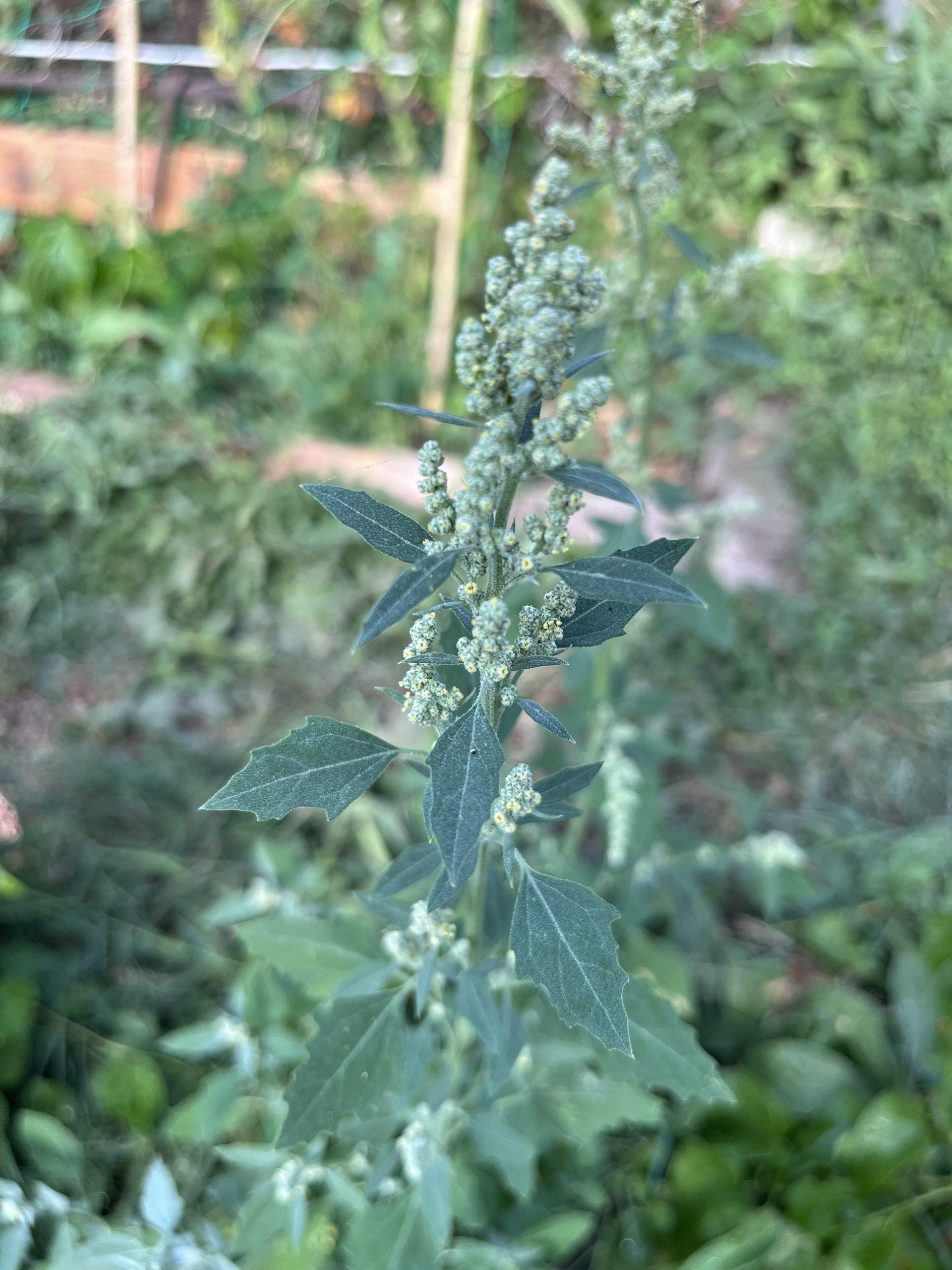
Lamb’s Quarters or Wild Spinach
Lamb’s quarters are apparently packed with high amounts of calcium, iron, protein, and vitamins A and C. More so than cultivated spinach!
It is a fast-growing, highly nutritious leafy green that is widely used as a culinary staple across parts of Africa and other regions.
I’ve been letting them grow a bit here and there and regularly incorporating them into our cooked meals.
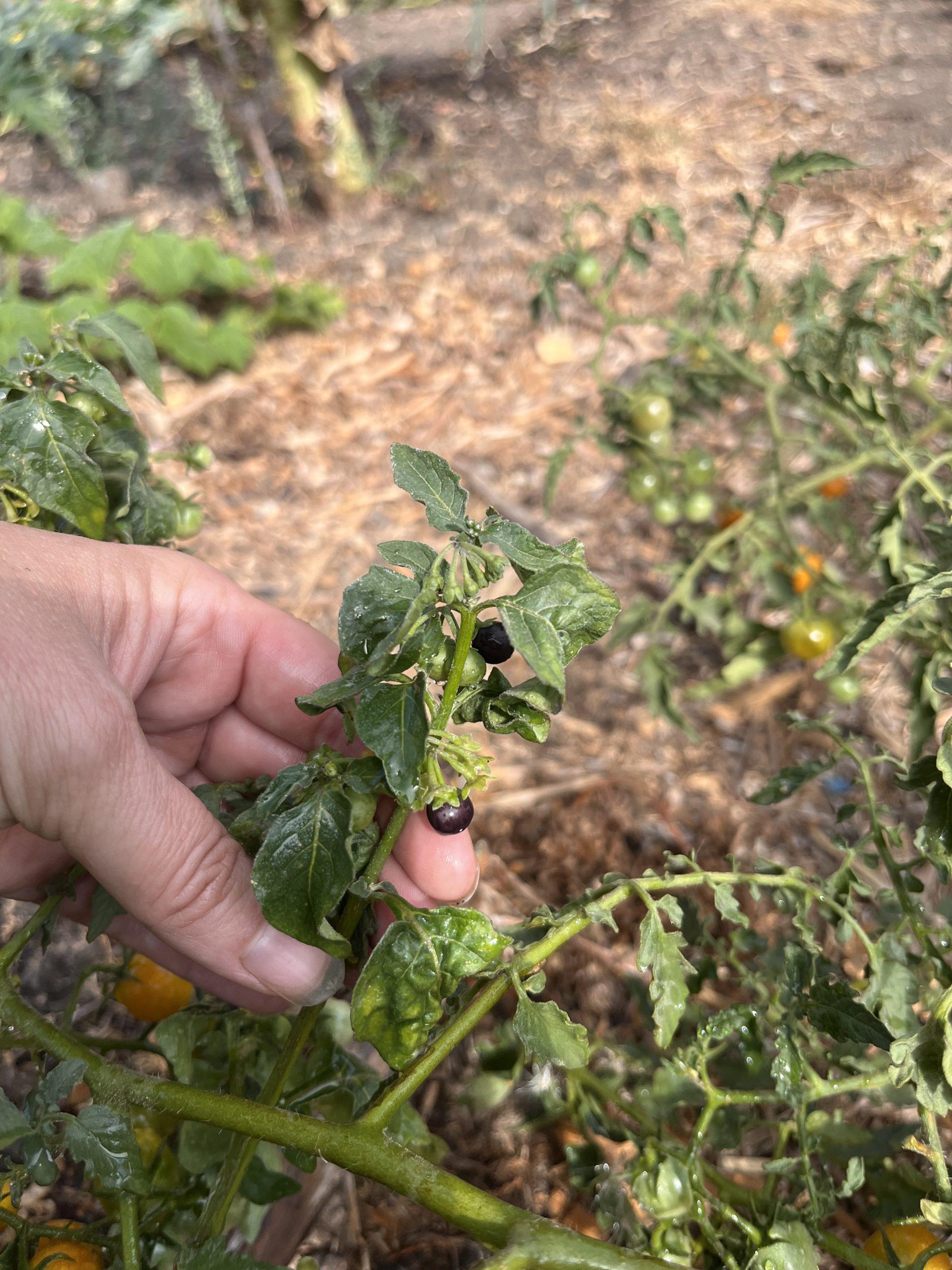
Black Nightshade Berry
Black Nightshade berries are a source of calcium, vitamin A & C and iron. They’re also an antioxidant.
In parts of Africa, Asia, and North America, the ripe berries are harvested for jams, sauces and baking.
I’ve been sprinkling them into my homemade salsas.
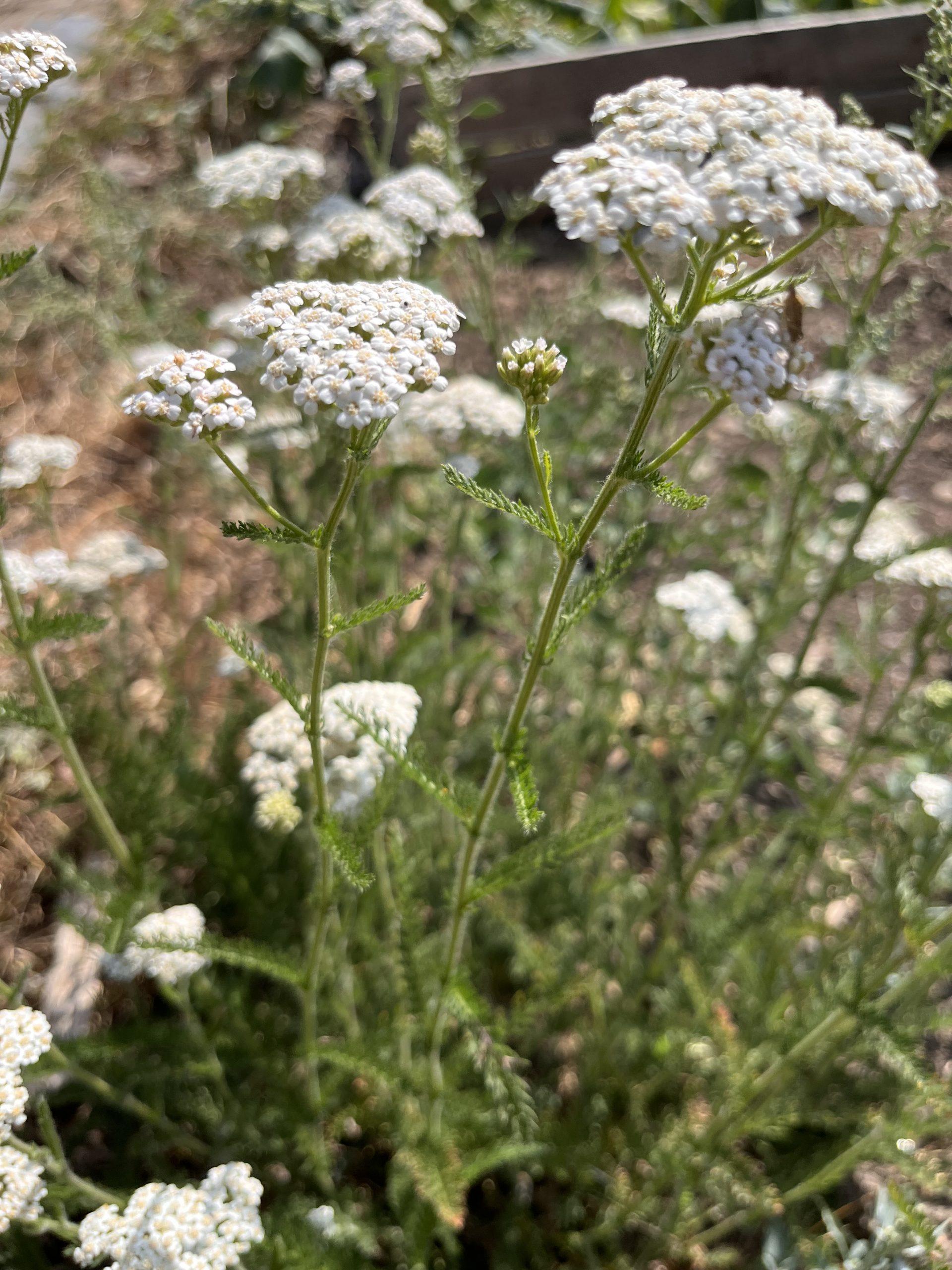
Yarrow
Yarrow has anti-inflammatory and antioxidant properties and is traditionally used to support digestion, ease menstrual cramps, and reduce mild anxiety.
I love my mint tea in the evening, but am now adding a bit of my dried yarrow into it. (I don’t know if it’s psychosomatic, but it does seem to ease my lower back pain.)
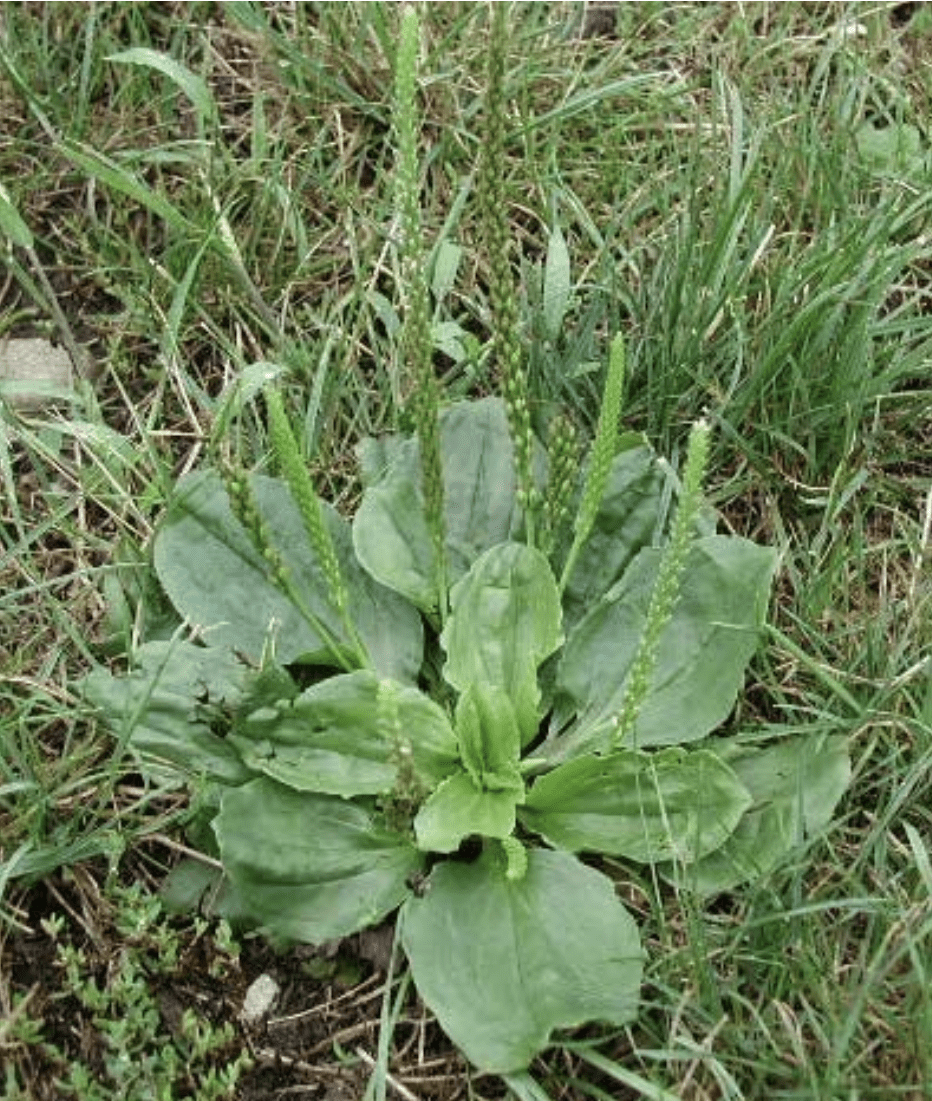
Plantain
Plantain has edible leaves and seeds. It is said to help with digestion, wound healing, and reducing inflammation.
I’ve saved some of its seeds to be used as a grain, but I didn’t think to eat the leaves until writing this blog post. So, I will have to try this as well.
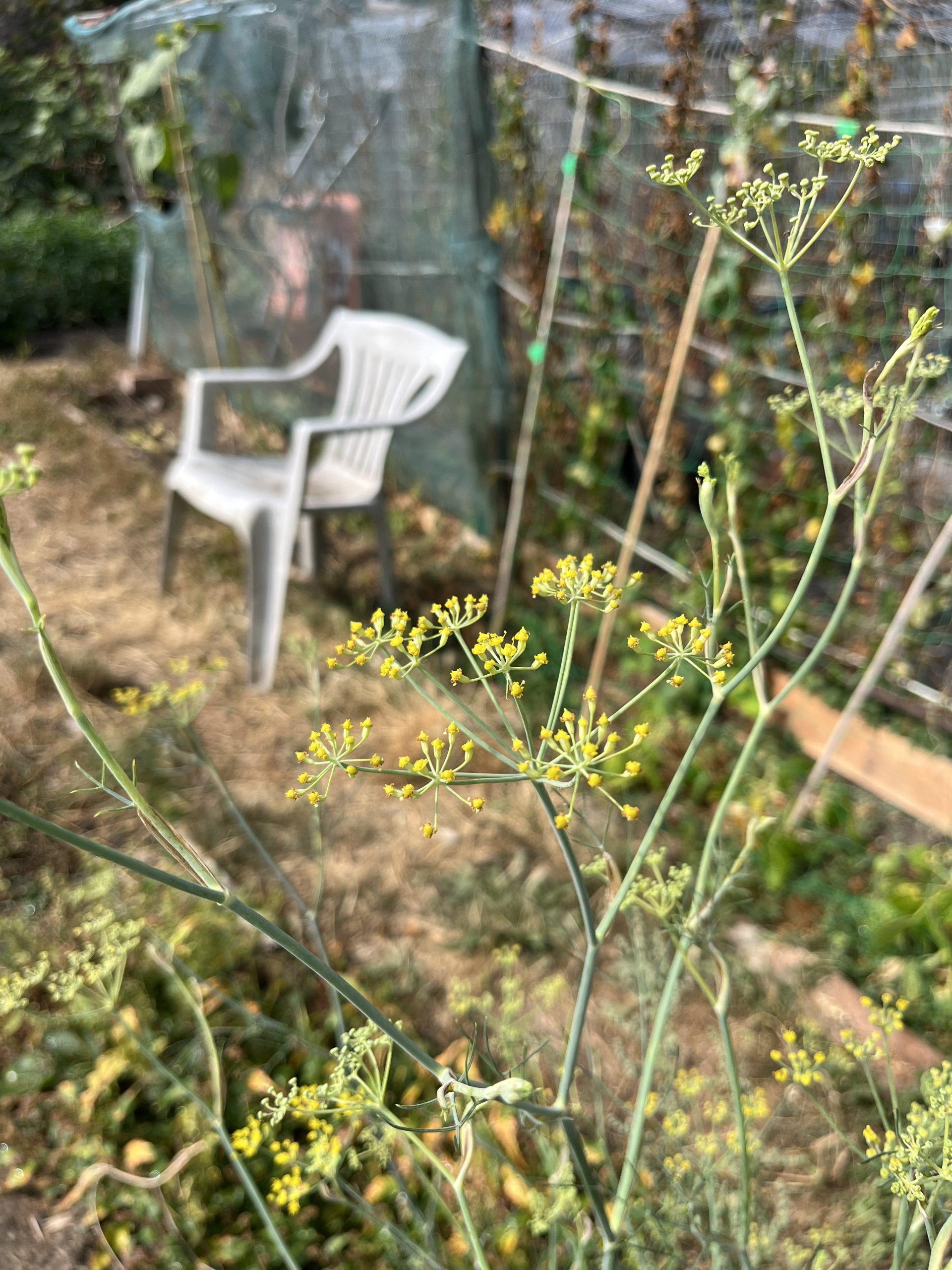
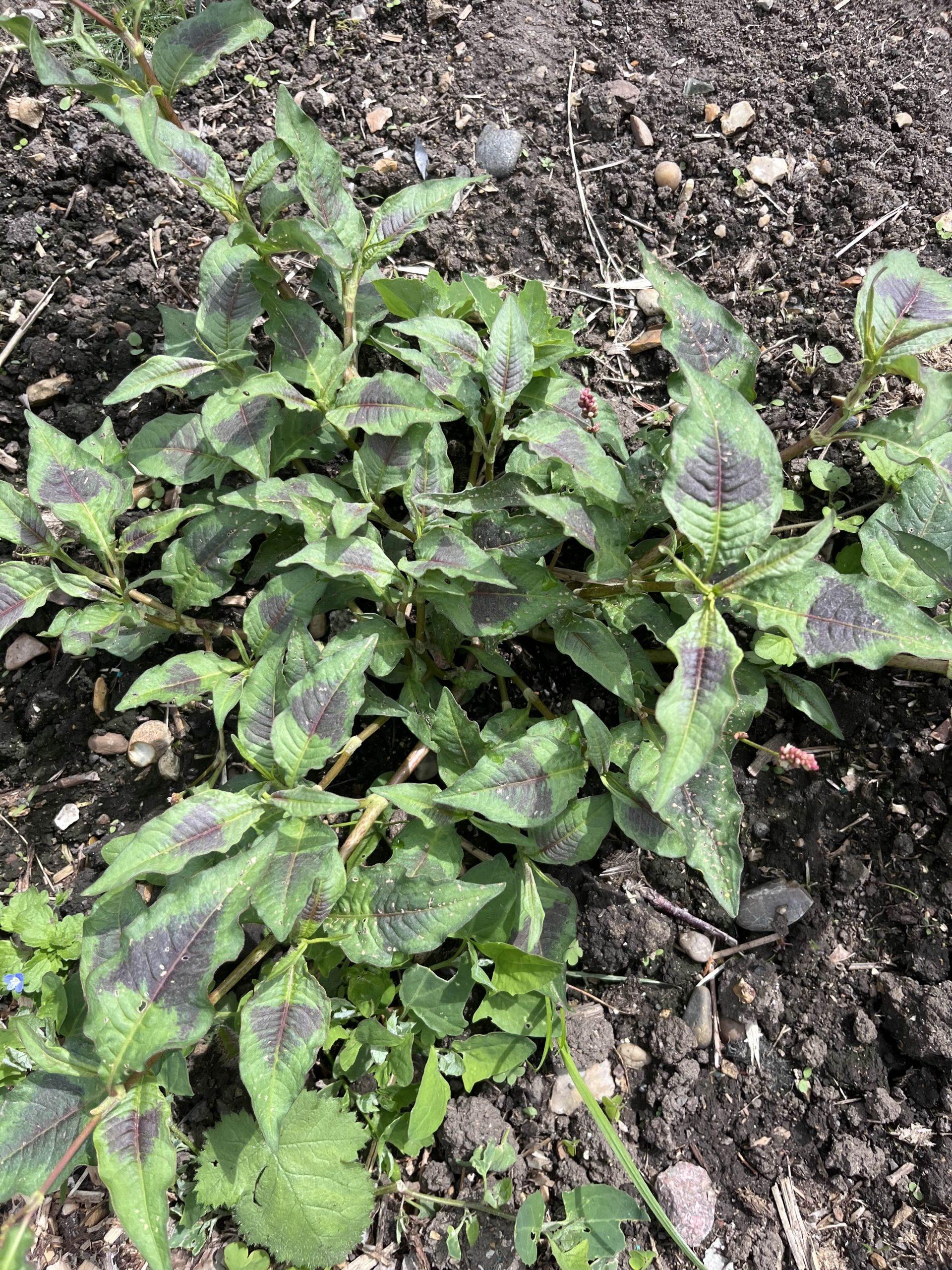
Additionally, I’ve found fennel and cleavers, which I’ve added to our cold water carafe, along with cucumber and lemon. Nettle, which I’ve yet to brave. Dock, whose dried seeds I’ve collected as a grain, and lady’s thumb, which I’ve only just discovered is edible, so I have yet to use it.
Is this Permaculture or am I just really bad at gardening?
Maybe both.